
13 SaaS websites built with WordPress
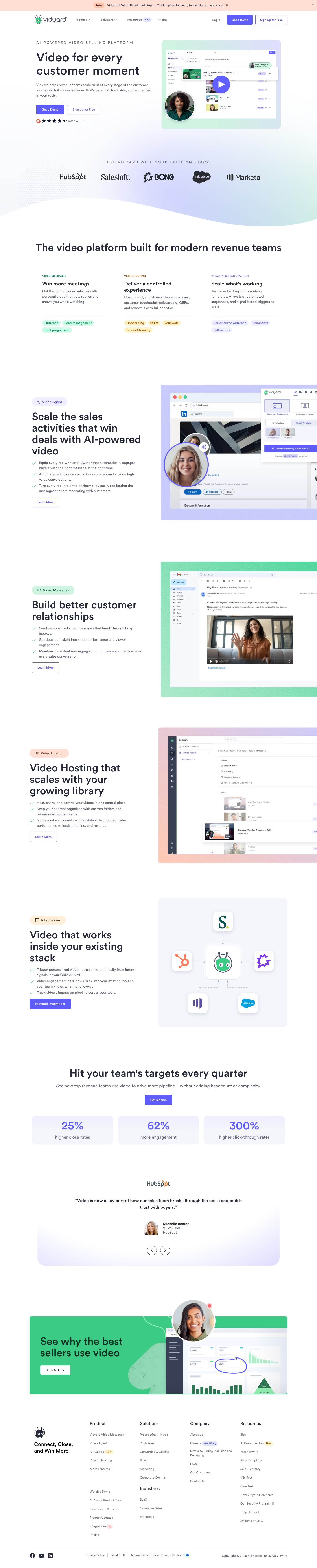
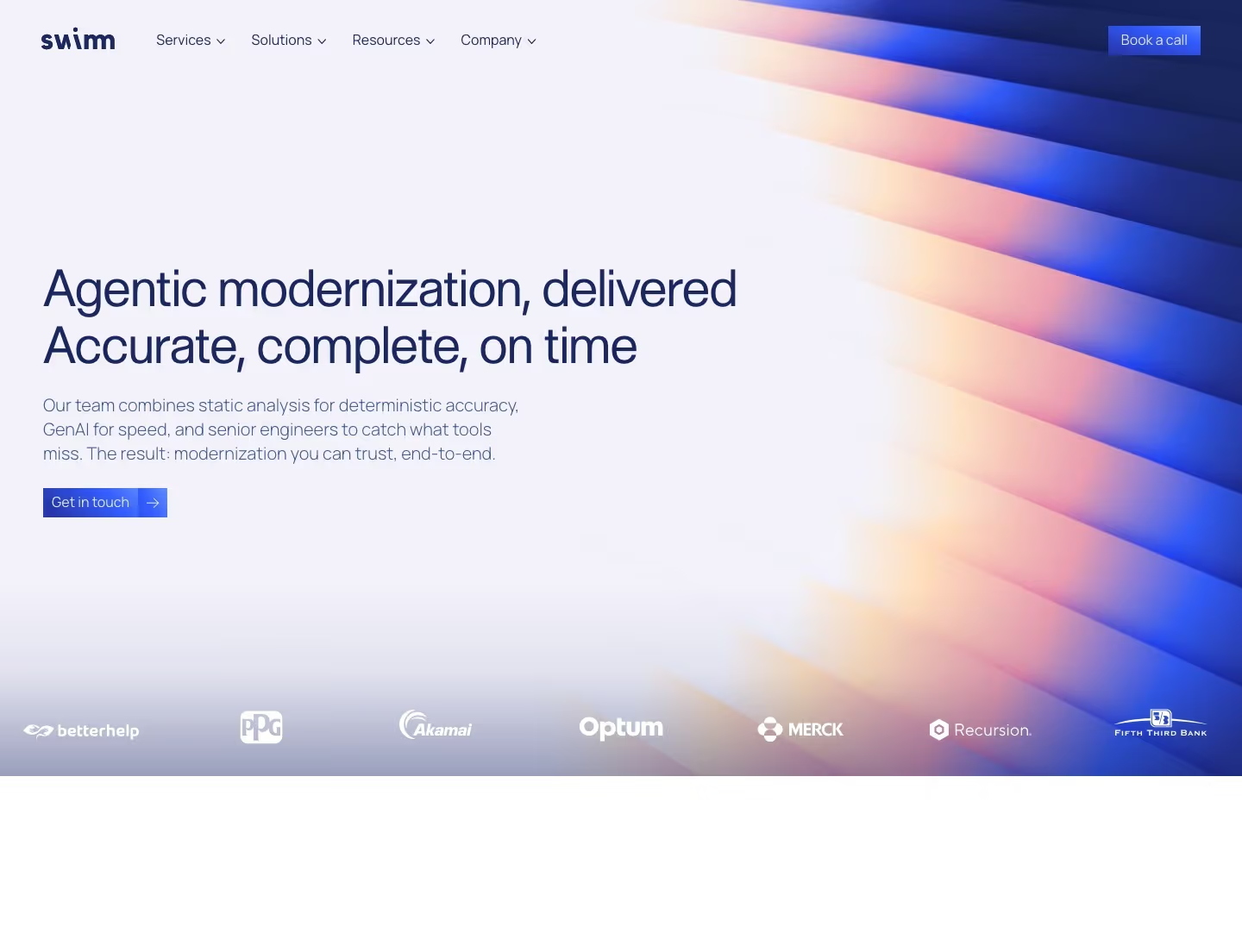
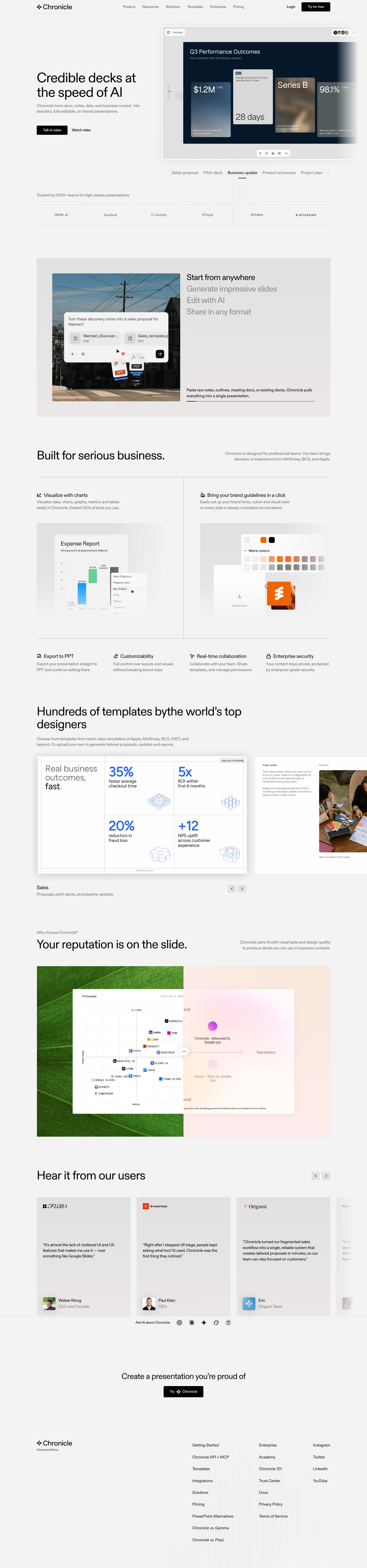
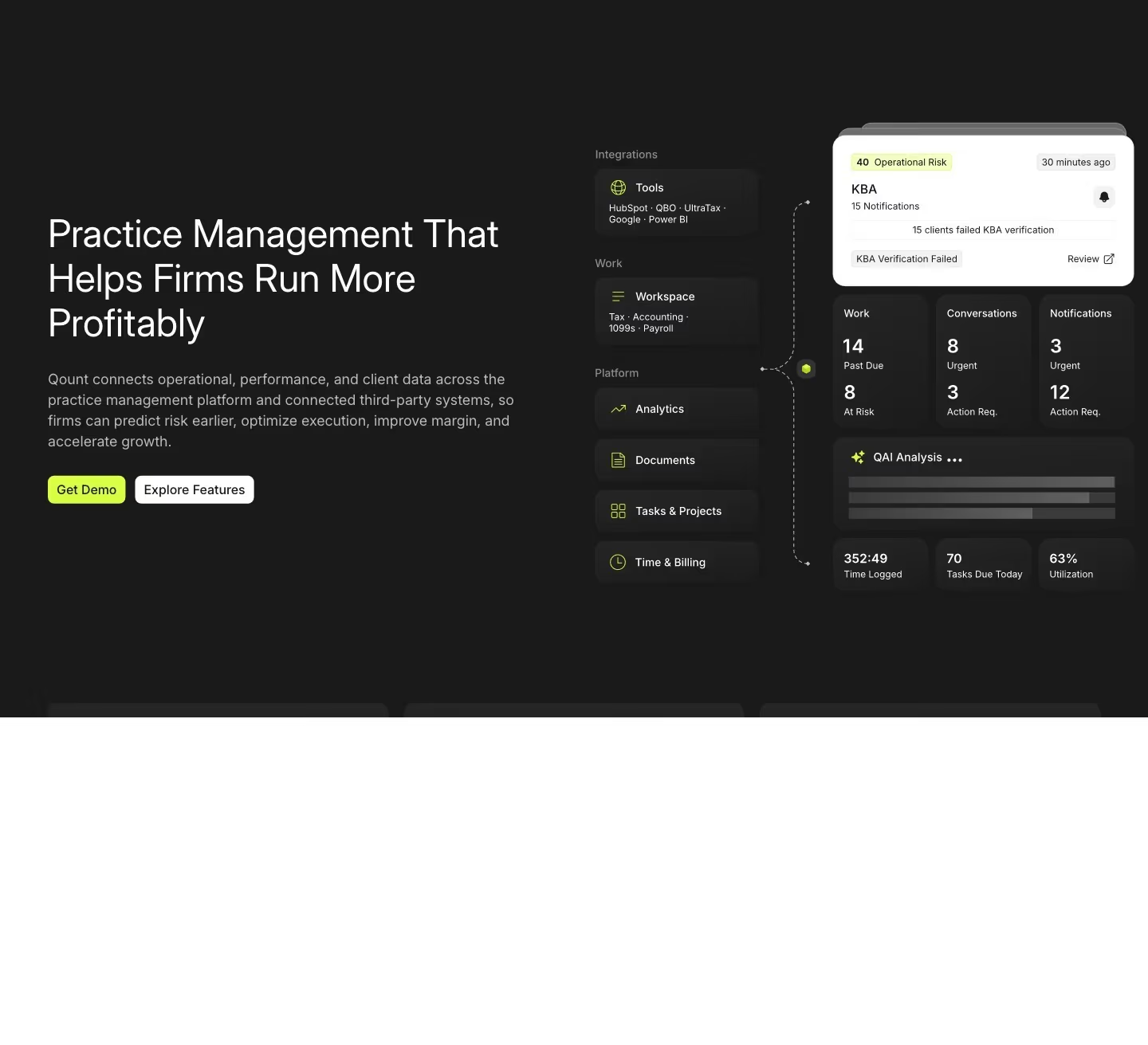
SaaS websites built with WordPress. See how teams shipping on WordPress design their landing pages, sections and overall visual style — useful if you're evaluating WordPress for your own marketing site.
Sponsored by (opens in new tab)
(opens in new tab)









About WordPress
WordPress's advantage for a SaaS marketing site is almost entirely about who can edit it after launch — its editor and plugin ecosystem let marketing teams publish blog posts, landing pages and content updates without an engineer, which is a real and underrated requirement once a marketing site needs a steady content cadence rather than a handful of pages that rarely change. The trade-off shows up in performance and design flexibility: a WordPress site's speed depends heavily on theme and plugin choices, and heavily-plugin-dependent sites are more prone to the kind of page bloat that shows up as slow load times than a custom-built site with a smaller, deliberate dependency set — which is worth checking for specifically if page speed is a priority, since it varies far more by implementation than by the platform itself.
What makes a great one
- A content cadence (blog, resources) that looks actively maintained
- Custom design rather than an obvious off-the-shelf theme
- Fast load times despite plugin-based flexibility
Frequently asked
Why do SaaS companies still choose WordPress over a custom-built site?
Mainly editorial independence — marketing teams can publish and update content without needing an engineer for every change, which matters a lot for sites with a regular blog or content cadence.
Is WordPress inherently slower than a custom-built marketing site?
Not inherently, but it's more variable — a heavily plugin-dependent WordPress site can be notably slower than a lean custom build, while a carefully optimized WordPress site can perform close to comparable custom builds.