
113 SaaS website logo cloud & 'trusted by' section examples
A logo cloud borrows credibility from recognisable customers in a single glance. These examples show how SaaS sites present 'trusted by' bands — balanced, legible, and placed where they reinforce the pitch.
Sponsored by (opens in new tab)
(opens in new tab)















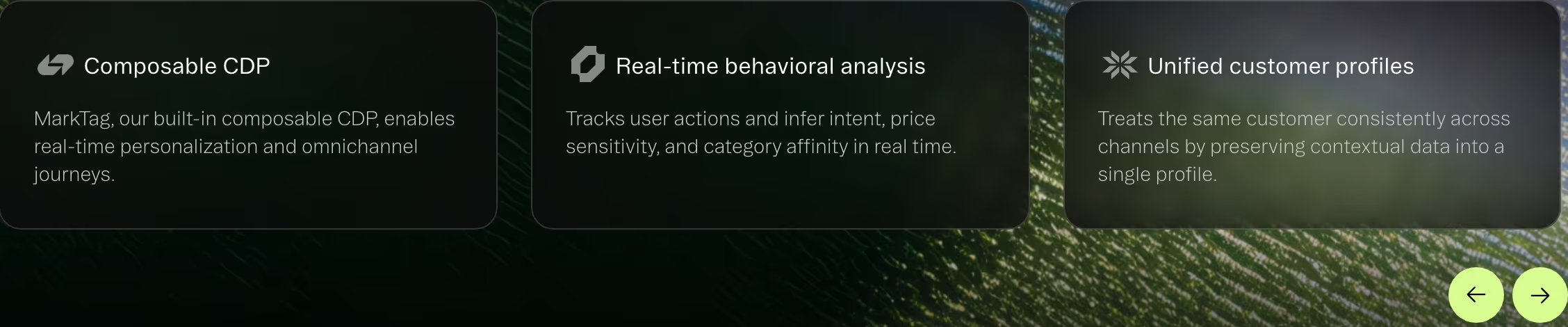

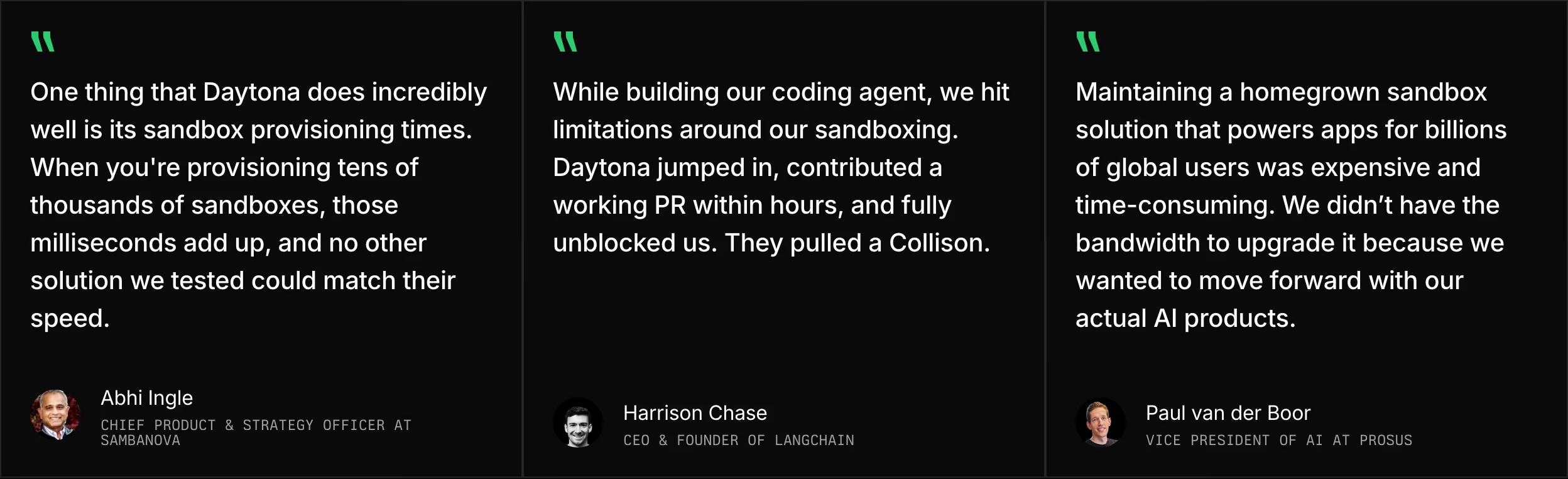
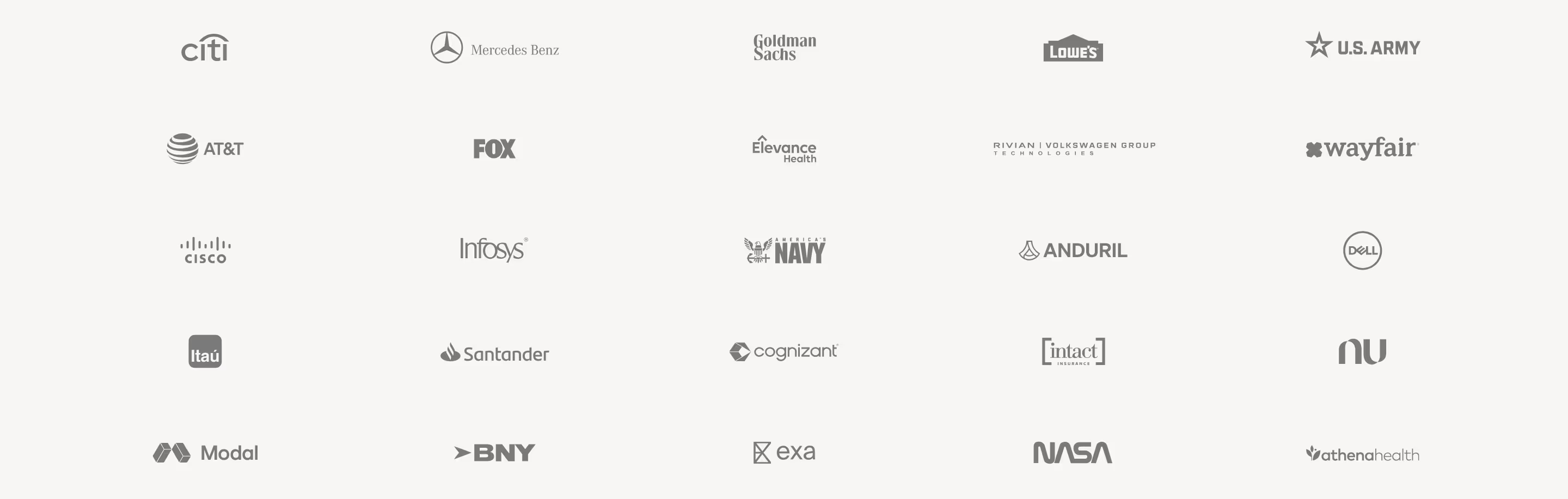


About logo clouds
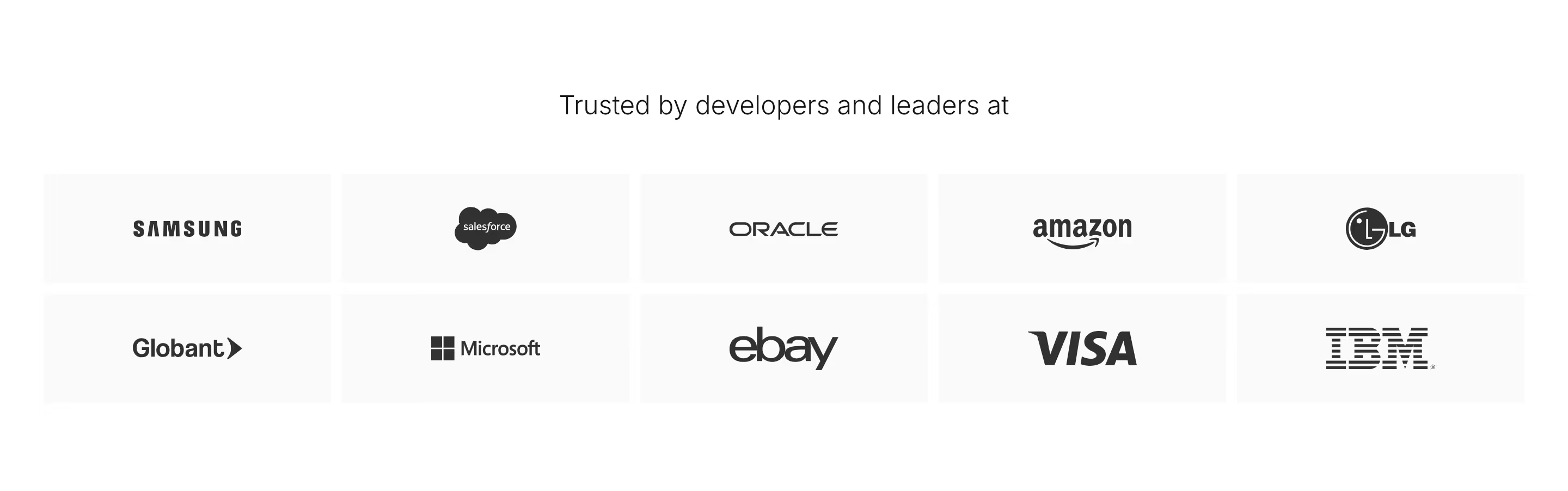
A logo cloud works on recognition speed, not scrutiny — a visitor doesn't read each name, they register in under a second whether the row contains brands they already trust, and that impression transfers to the unfamiliar product they're currently evaluating. That's why placement right below (or inside) the hero tends to outperform placement further down the page: it front-loads trust before the visitor has decided whether to keep reading. Consistent sizing and a monochrome or single-tone treatment matter more than they look like they should, because uneven logo sizes or a rainbow of brand colors reads as a hastily-assembled row rather than a curated one — and a short framing line ('Trusted by teams at') gives the row context instead of leaving a bare grid of marks that a visitor has to interpret unassisted.
What makes a great one
- Recognisable, relevant customer logos
- Consistent sizing and monochrome treatment
- A short framing line ('Trusted by teams at…')
- Placement near the hero or key claims
From the blog
Logo Clouds: How 12 Real SaaS Sites Borrow Trust in One Glance
Grafana's "logo cloud" is entirely compliance badges. Windsurf's is integration partners, not customers. A real look at how the same section slot gets reused for at least three different trust signals.
24 SaaS About Us Page Examples, Module by Module
We read 24 real SaaS About Us pages against the same seven-module checklist — team photos, named people, stat tiles, timelines, investor walls, hiring CTAs, manifestos — and counted what's actually there. Only one page uses a timeline.
25 SaaS Contact Us Page Examples, Counted Field by Field
Dropbox's contact form asks for eleven things. Warp's asks for one. We counted the fields, the routes and the published email addresses on 25 real SaaS contact pages — and not one of them promises a response time.
Frequently asked
Do logo clouds still work without permission from every customer?
Using a customer's logo for marketing without their agreement is a real risk regardless of how common the practice looks — most companies with a logo cloud have an explicit customer-reference agreement or at least informal sign-off, and removing a logo on request is standard practice.
Should logos be color or monochrome?
Monochrome (usually a single gray or brand-tinted tone) is the more common and generally stronger choice — it keeps the row visually calm and prevents a handful of colorful logos from dominating attention over the others.
Where's the best place for a logo cloud?
Directly below the hero is the most common and effective placement, since it reinforces trust before the visitor has committed to reading further. A second, expanded version later in the page (often in a dedicated customers section) is also common for products with many notable logos to show.