
220 SaaS websites built with Tailwind CSS
Tailwind CSS has become the default styling layer for SaaS marketing sites. Study how these teams compose consistent spacing, type and color with utility-first CSS.
Sponsored by (opens in new tab)
(opens in new tab)




























About Tailwind CSS
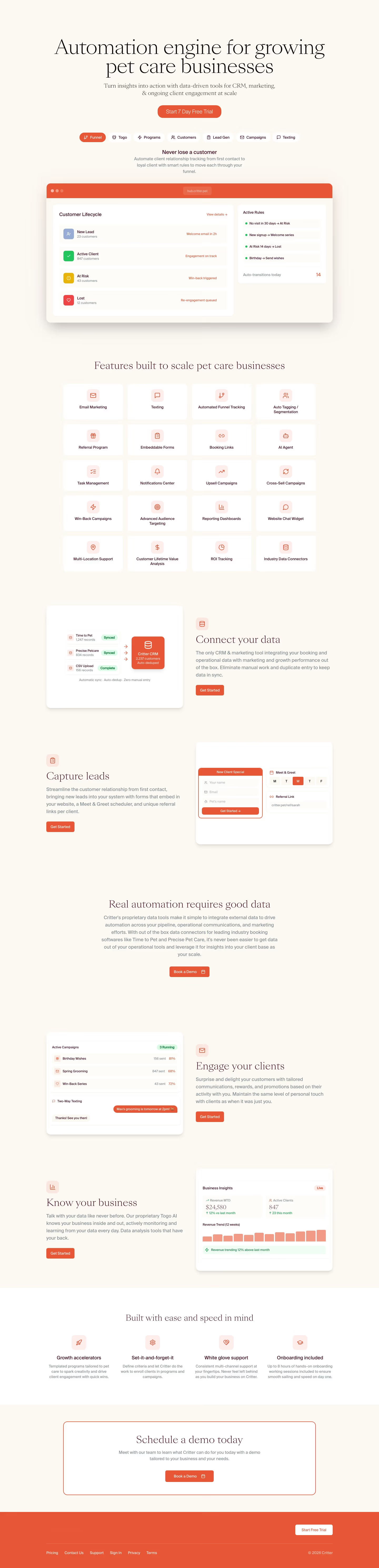
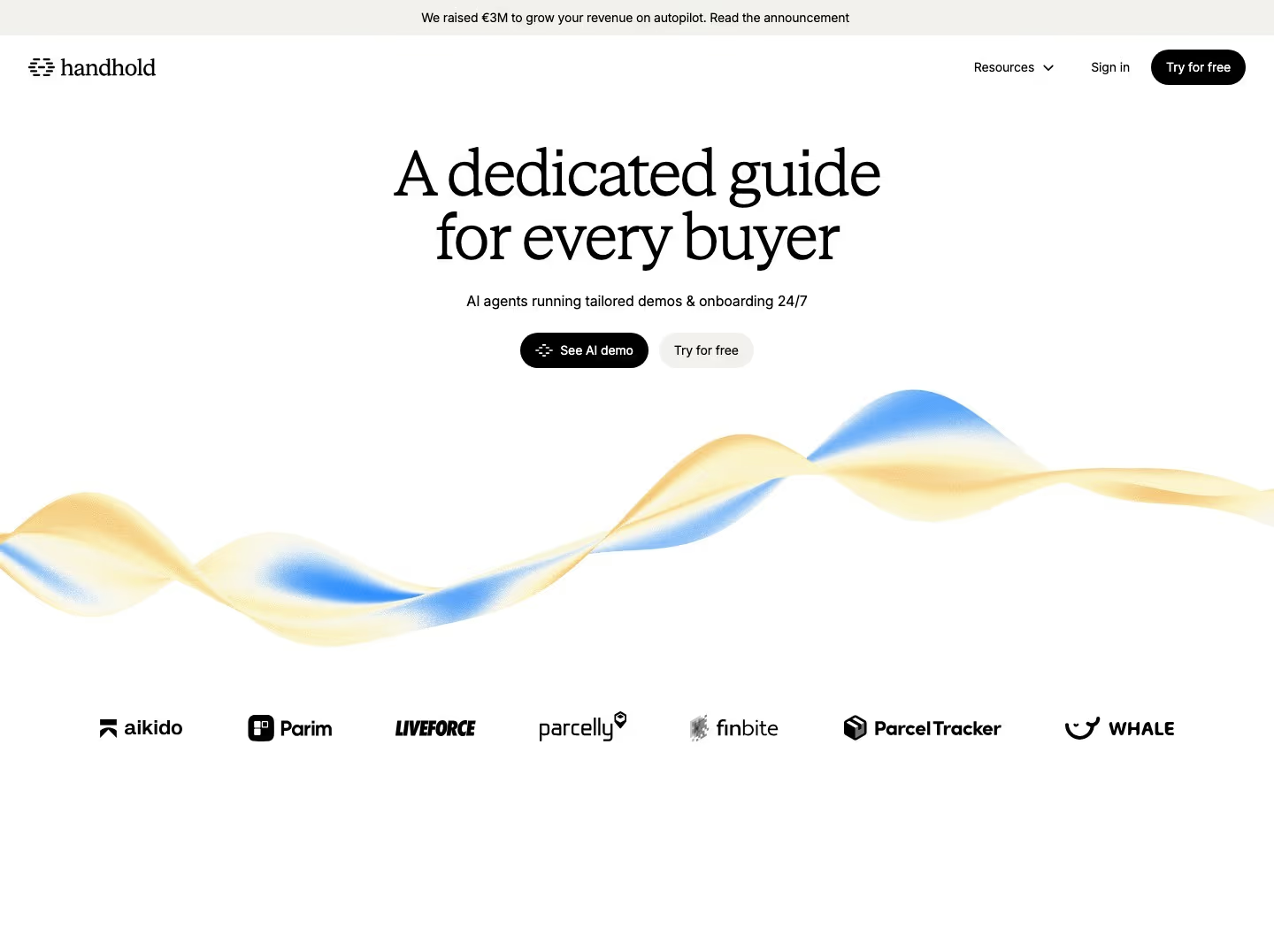
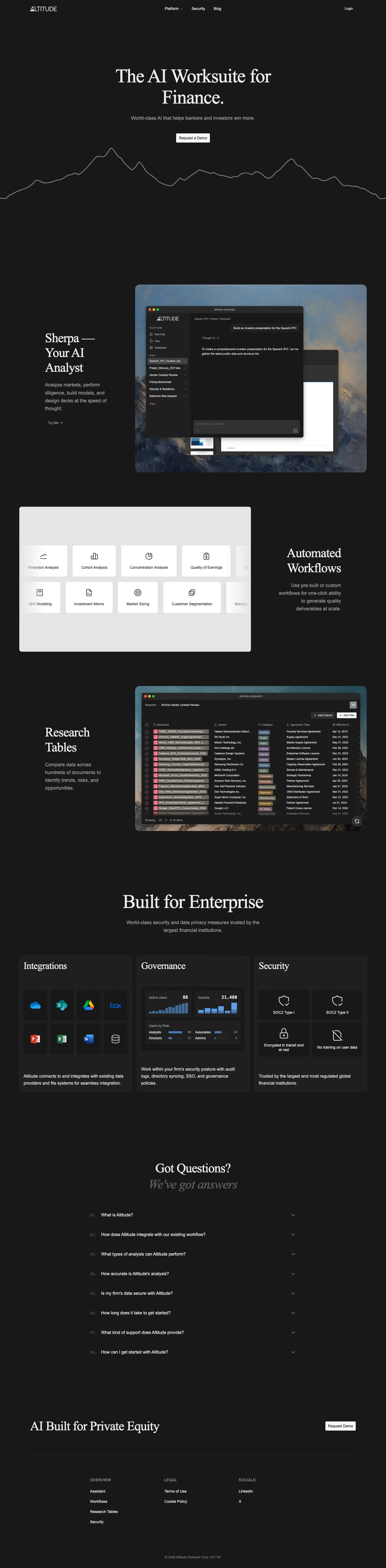
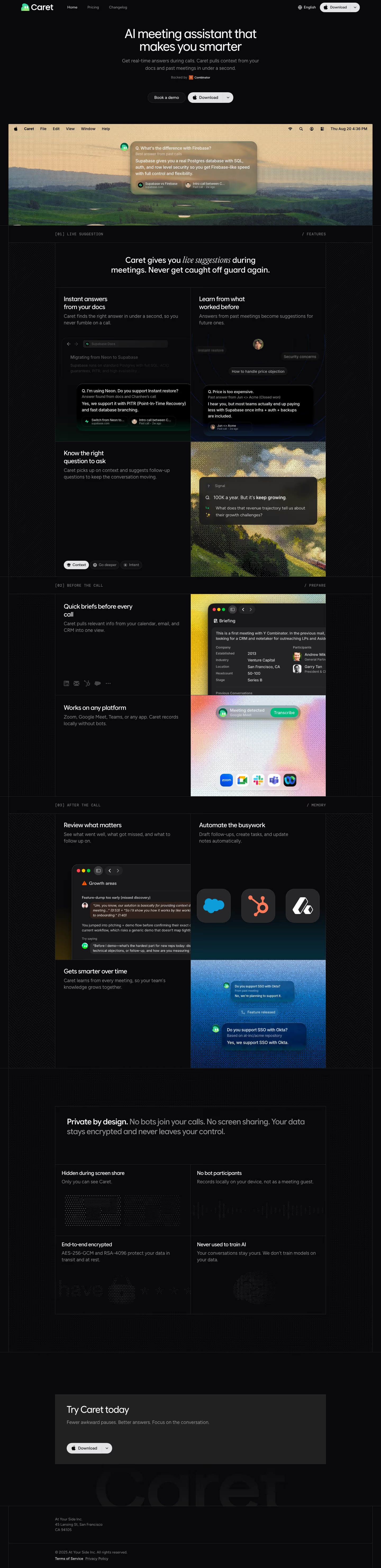
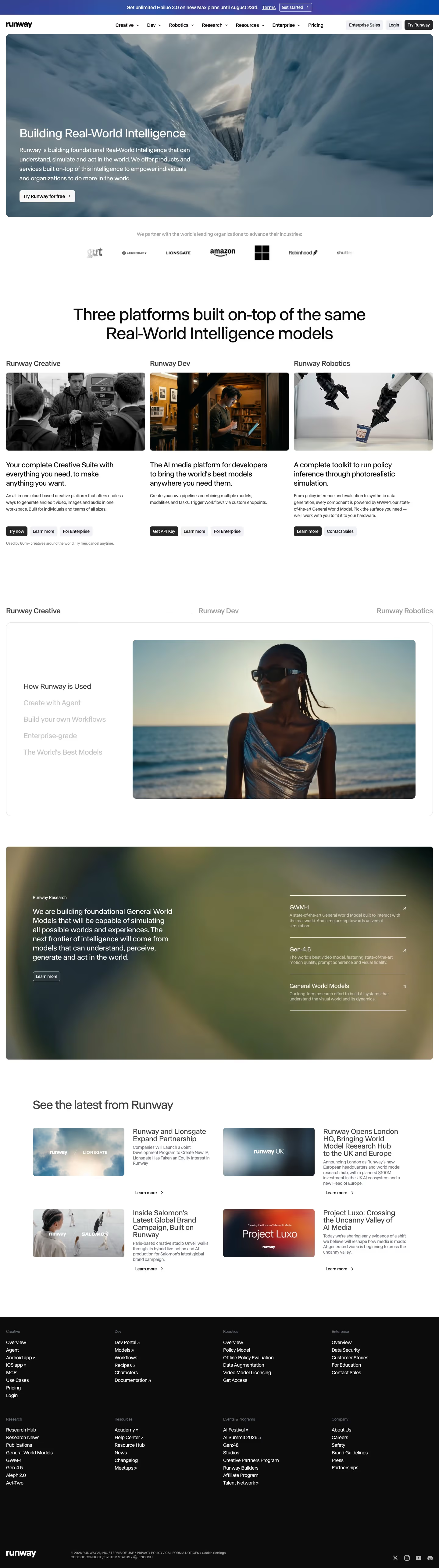
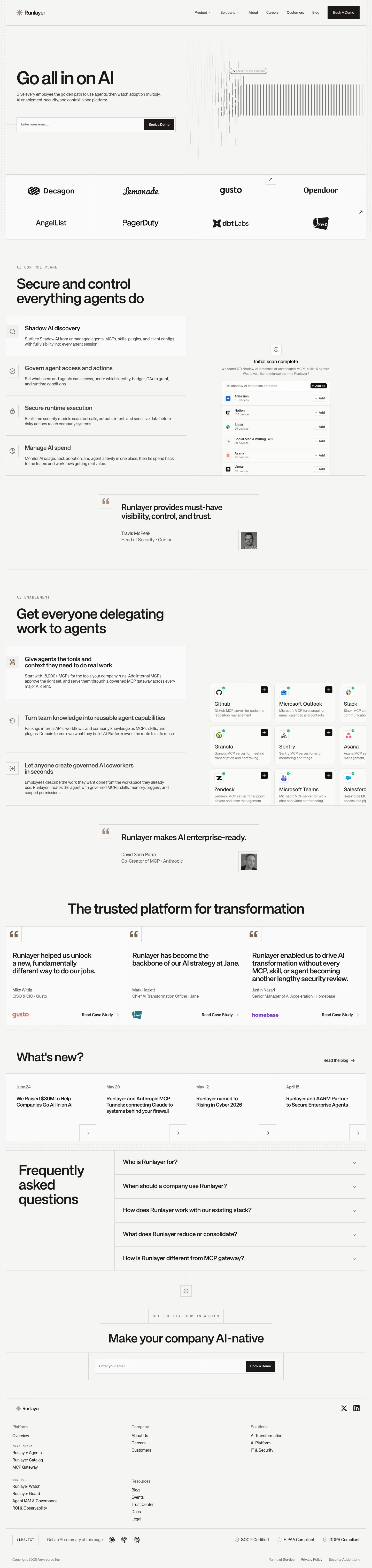
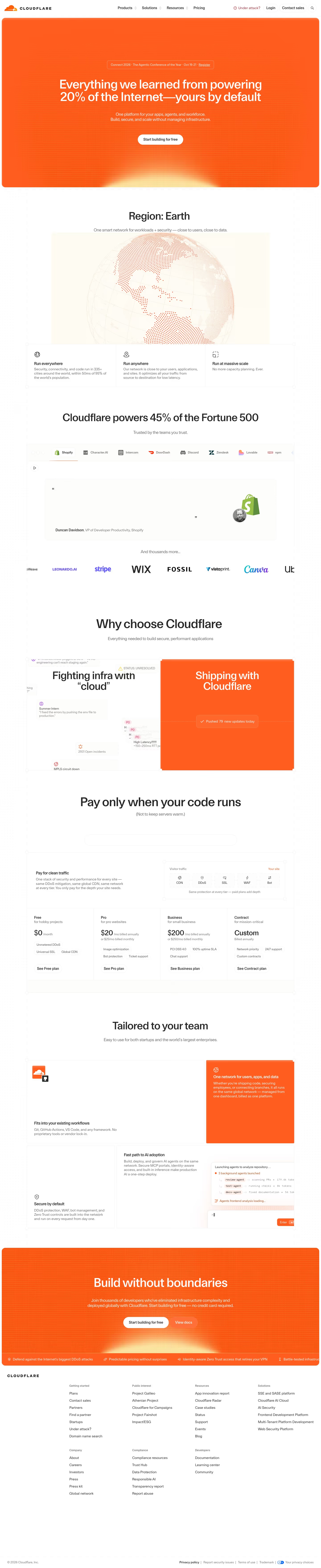
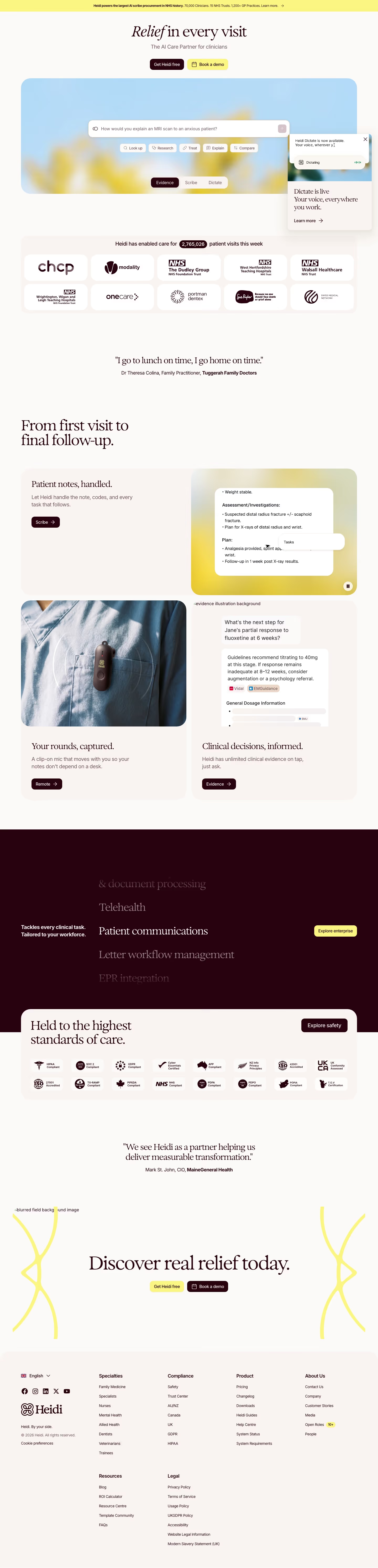
Tailwind's utility-first approach — writing `flex gap-4 text-lg` directly in markup rather than naming a custom CSS class — has become the default for SaaS marketing sites mainly because it enforces consistency almost by accident: a design system's spacing scale, type sizes and color palette are defined once in config and every utility class pulls from that same constrained set, which makes it structurally harder to introduce an off-brand one-off value than it would be writing free-form CSS. The visible tell of a well-executed Tailwind site isn't the framework itself (it's invisible in the shipped output) — it's the consistency: spacing that always steps in the same increments, a type scale with a clear number of sizes rather than dozens of slightly-different ones, which is a discipline Tailwind makes easier to maintain but doesn't guarantee on its own.
What makes a great one
- Consistent spacing and type scale across every section
- A restrained, deliberate color palette rather than one-off values
- Clean responsive behavior across breakpoints
From the blog
The 30 Best SaaS Websites in 2026 (Reviewed From Real Screenshots)
Thirty SaaS websites reviewed at equal depth from screenshots we captured ourselves — what's above the fold, the one section each does unusually well, and the stack, palette and typefaces behind it. With a stated selection method, not a handpicked vibe check.
24 Product Landing Page Examples, Measured Fold to Footer
Twenty-four product landing pages read start to finish from our own screenshots — what's in the fold, where the logo strip actually sits, how the page closes, and how long each one really runs, in pixels.
24 SaaS About Us Page Examples, Module by Module
We read 24 real SaaS About Us pages against the same seven-module checklist — team photos, named people, stat tiles, timelines, investor walls, hiring CTAs, manifestos — and counted what's actually there. Only one page uses a timeline.
Frequently asked
Can visitors tell a site uses Tailwind CSS?
Not directly — Tailwind compiles down to plain CSS with no runtime trace. What is often visible is the design discipline it encourages: consistent spacing and type scales, since Tailwind's config makes it easy to stay within a defined set of values.
Does Tailwind make sites load faster?
Its build step strips out any utility class not actually used in the markup, which keeps shipped CSS small regardless of how large the utility library is — but overall page speed still depends far more on images, fonts and JavaScript than on the CSS approach.